Project 02 — Computer Vision
Wound
Image
Classification
A deep learning image classification pipeline for automated wound condition recognition — from raw image datasets to a trained Keras model for healthcare monitoring.
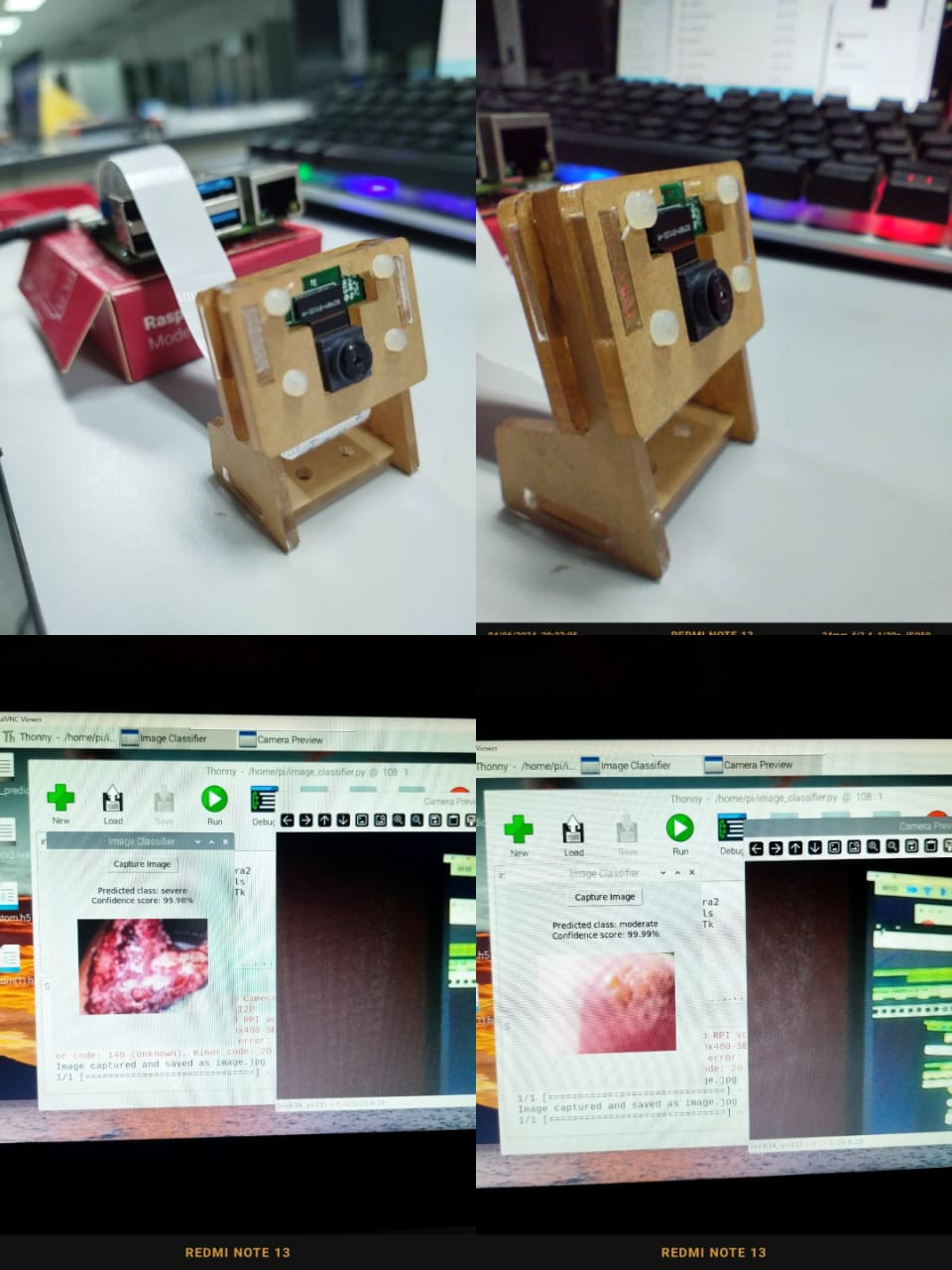
Project 02 — Computer Vision
A deep learning image classification pipeline for automated wound condition recognition — from raw image datasets to a trained Keras model for healthcare monitoring.
Architecture
A convolutional neural network pipeline designed for multi-class wound image classification, covering the layers, backbone, and output classes used in the final model.
Input
Wound Images
(224 x 224)
CNN Layers
Conv + Pooling
Feature Maps
Classifier
Dense + Softmax
3 Classes
Architecture Notes
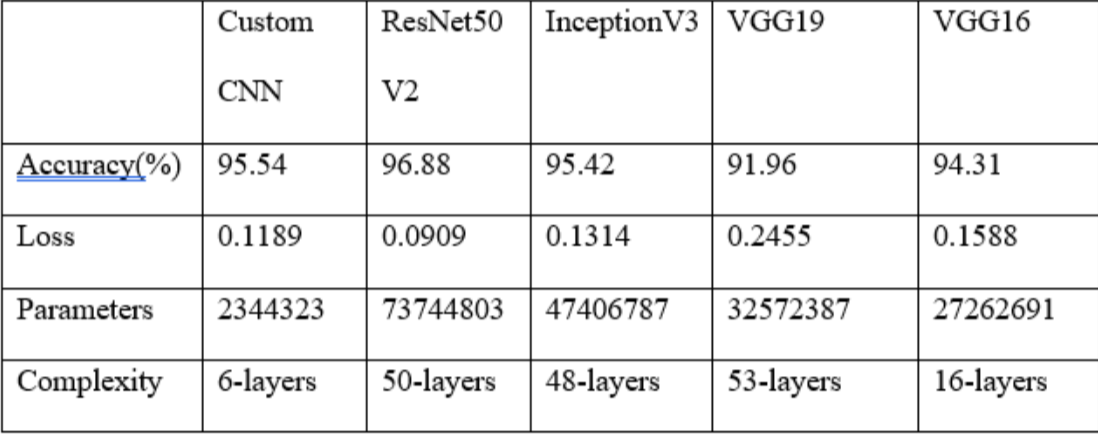
Full model diagram and summary used to document the final network layout.
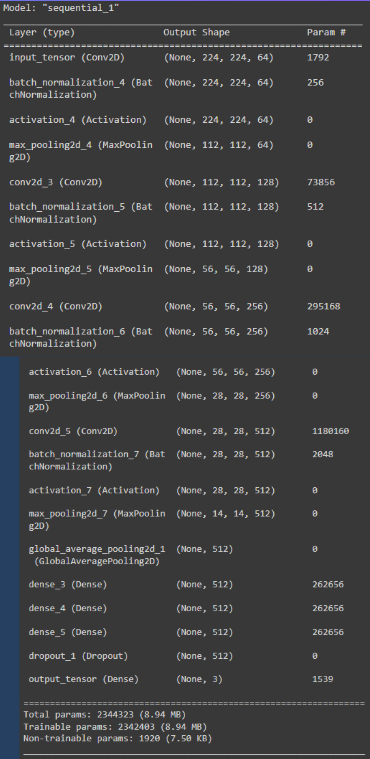
Layer parameters, feature-map sizes, and trainable parameter counts from the trained model.
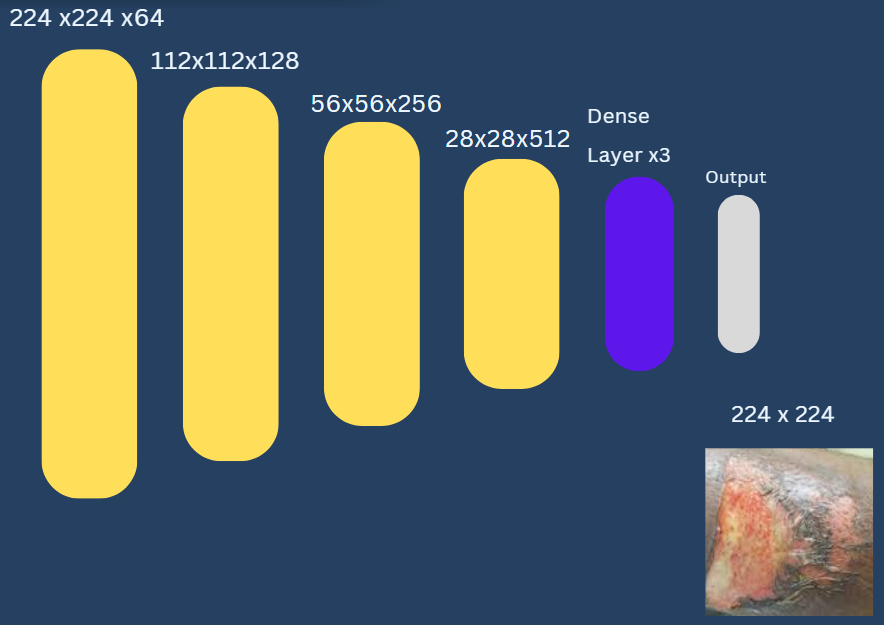
Custom convolution blocks, pooling flow, and dense-layer design used in the final architecture.
The model combines convolution, pooling, and dense classification layers with TensorFlow/Keras training for three wound classes.
Dataset
Dataset details, augmentation strategies, and class distribution. Update the numbers below with your actual dataset stats.
All images were augmented
Healthy / Mild / Severe
Training accuracy achieved on the final run.
Visuals
Training curves, confusion-matrix output, and representative wound samples used to document model behavior and classification quality.
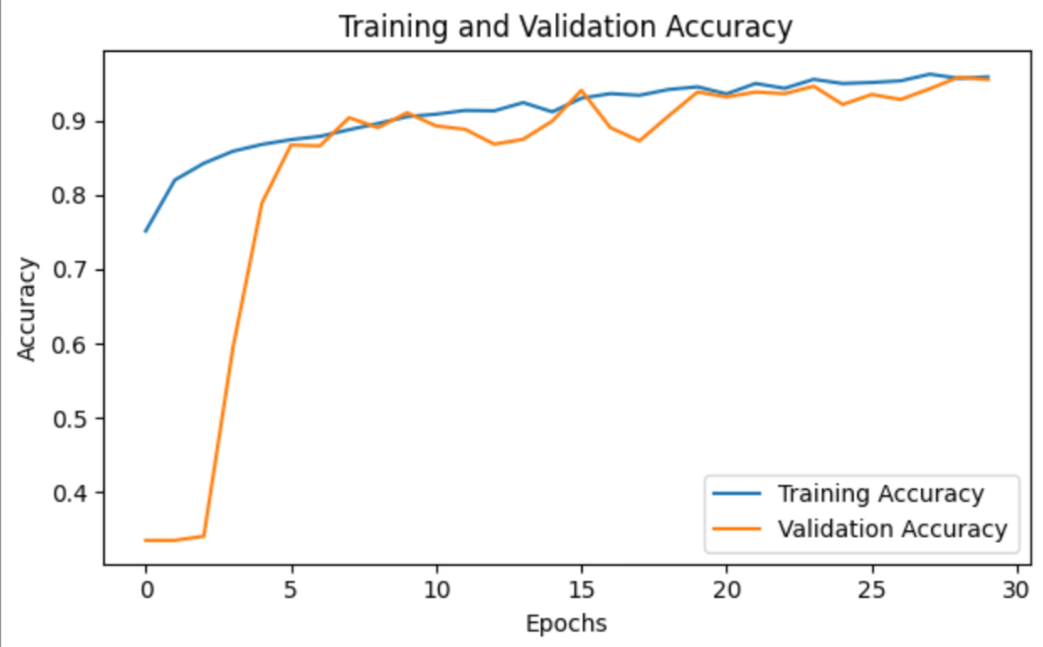 Training & Validation Loss / Accuracy Curves
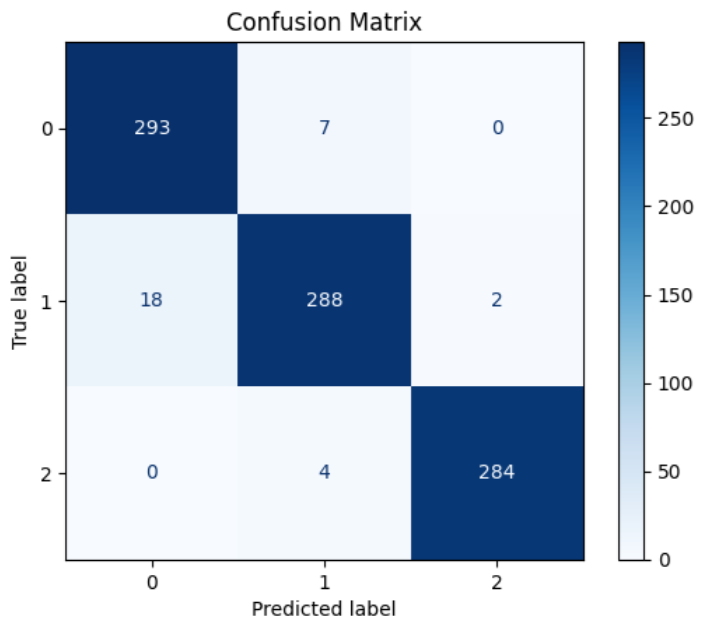 Confusion Matrix
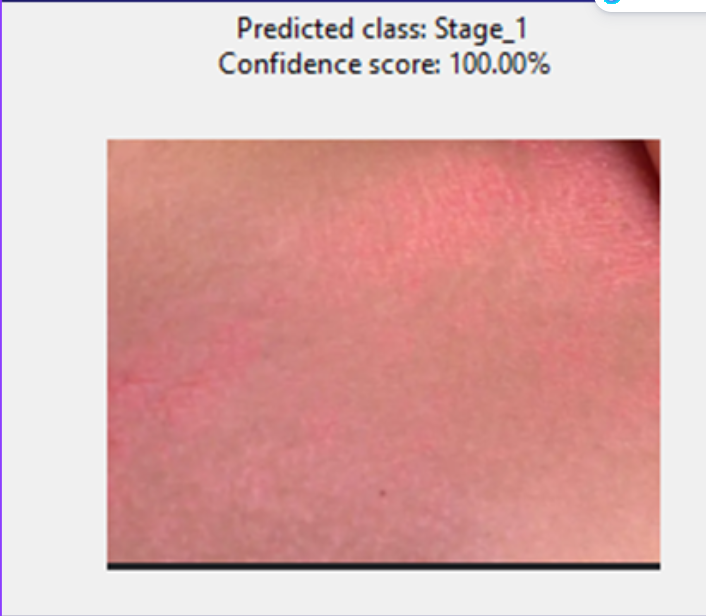 Sample Wound Images — Healthy
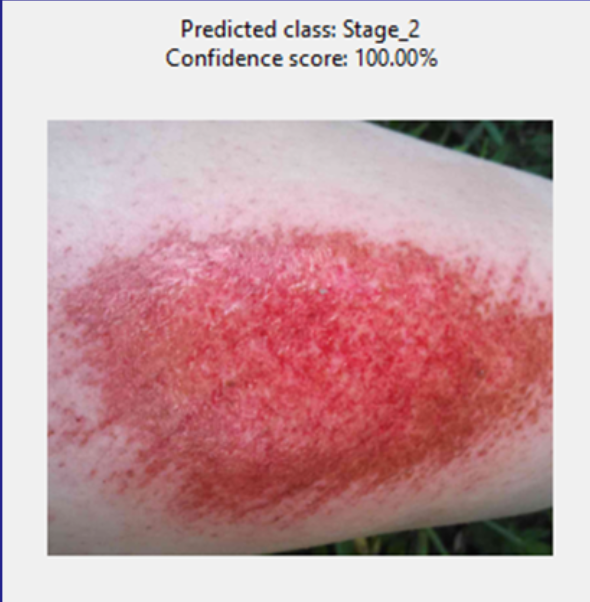 Sample Wound Images — Mild
More Information
Additional background on the project motivation, clinical relevance, and research value behind the wound image classification workflow.
This project was developed to support tissue engineering research with a faster and more consistent wound assessment workflow.
Project Notes
Research support: This monitoring system helps streamline tissue engineering research by improving how wound conditions are documented and reviewed.
Department impact: The workflow can help accelerate scaffold development by giving the tissue engineering team faster access to organized image-based results.
Technical contribution: The project included dataset optimization for CNN training and a focused study on how convolution and dense layer design affected model performance.
Broader relevance: The work contributes to better healthcare research outcomes and aligns with SDG 3: Good Health and Well-Being.